
Mole Control
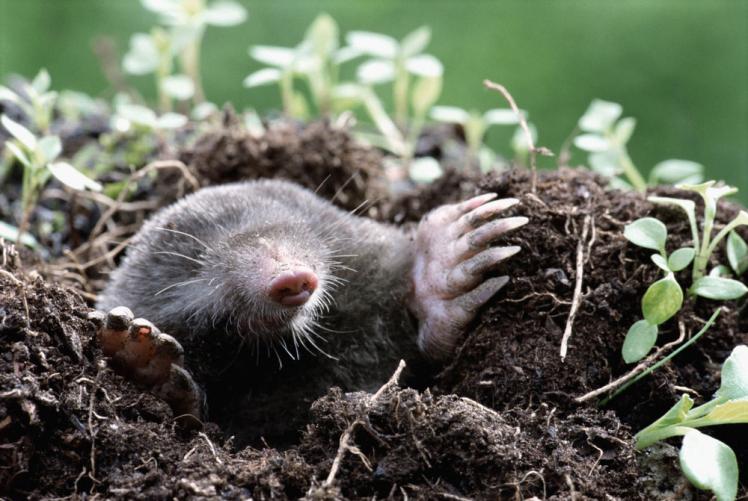
Mole control is also relevant to prevent the damage of the lawns, gardens, and parks, and landscaped areas due to the mole activity. Moles are burrowing mammals which inhabit soil and mostly have insects as their food including grubs and earthworms. Although they do not tend to intrude into homes and directly harm humans in health terms, their tunneling may result in unsightly surface ridges, destruction of plant roots, and poor soil structure, so they should be effectively controlled.
The initial measure of an attack of molestation is correct determination. Moles are at times confused with other similar burrowing animals like voles or gophers but their raised surface tunnels and volcano shaped soil mounds can be used as some distinguishing features. Proper identification makes the right control measures to be applied because moles do not respond to the treatment of other pests.
One of the preventive measures in the control of the moles is the habitat modification. Making food sources (even grubs and insects) less appealing to moles (through reduction) can make the territory less appealing to the moles. Use of proper lawn treatments to contain grubs curbs the actions of the moles. In the prevention of tunnelling, it is also a good practice to maintain healthy and compact earth by watering and rolling it frequently.
One of the best options that can be used to manage active mole infestations is mechanical control methods. Mole traps are tailored in such a way that they can be located inside the active tunnels and can give good and fast results in the event that they are installed in the right locations. Popular tunnels should be trapped and they are identified by pushing down on the parts of the tunnels and ensuring that they re-activate. Incorrect positioning and observation are a failure.
Repulsaives and deterring can be of small use. There are natural repulsive agents (like castor oil based products) that could work temporarily to get moles off because they irritate their senses. What is used sometimes is vibrating or sonic devices, and the outcome could be varied with the conditions of the soil and movement of the moles. These strategies are most effective when applied as a combination strategy and not a solution.
Professional mole control services are advised in extreme or chronic cases. The specialists evaluate the degree of infestation, detect active tunnels and use the most effective methods of control in a safe and efficient manner. They also give a recommendation on the long-term care of the lawn to minimize future episodes of moles.
Finally, mole control needs to be strategized and planned. Mole damage can be reduced with correct identification, habitat alteration, successful trapping and professional help where necessary. Regulated moles assist in keeping the lawns and landscapes in good condition,courteous and healthy.