
Snake Control
Maintaining safety in residential, commercial, agricultural and industrial operations is an essential topic in snake control, and it is particularly necessary in the areas where the snakes are prevalent. Snakes tend to look in human environment either to find food and water or shelter or comfort. Most of the snakes are not harmful, though important to the rodents control, their presence leads to fear and in other cases, real danger. Management of snake control is done through prevention, awareness and safe handling.
Habitat management is the initial stage in snake management. Snakes prefer places where there are thick vegetation cover, tall grasses, piles of wood, litter and rodents. Having the lawns clipped, piles of stones, firewood and building waste eliminated and overgrown bushes trimmed around buildings can significantly decrease snake hiding places. It is also important to dispose of the waste properly and keep the rodents under control since many species of snakes are one of the main food supplies of rodents.
Another important preventive (preventing measure) is the sealing of entry points. Walls, doors, broken drains and holes around pipes or cables ought to be closed. By placing wire mesh on the vents and drains, it is possible to keep snakes out of buildings. External lighting around walkways and doors enhances the visibility in the dark, as well as discouraging the snakes.
Management of snakes is important with regard to water. Snakes are also attracted by humid places and water bodies. Leaking taps, watersheds, and removal of stagnant water near properties should be fixed to minimize chances of snakes attracting. The gardens must be well kept, irrigation should be regulated and clutter must be minimal.
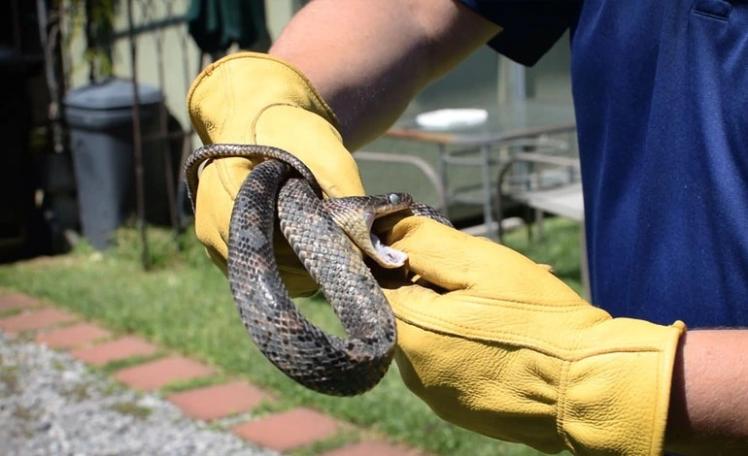
When one sees a snake one should not panic; the safe distance should be maintained. Making any effort to kill or get hold of a snake may be highly dangerous. Snake control or rescue services should be called immediately by professional snakes handlers. The snakes are safely removed and moved to favorable natural habitats by trained experts in compliance with the guidelines of protection of wildlife.
It is also significant to be aware in advance. Teaching residents, workers and children the behavior of snakes, how to behave safely, how to respond in an emergency reduces panic and risk. Additional safety is also achieved by wearing protective footwear when walking outdoors and use of torchlights during the night.
To sum up, the control of snakes should be taken in a balanced and responsible manner and primarily focus on safety and environmental protection. With habitat management, structural care, awareness and professional help, snake contacts may be avoided and controlled successfully providing a safer working and living environment.