
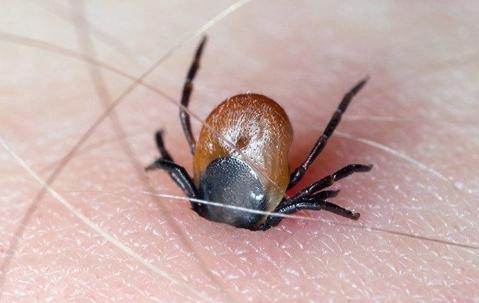
Ticks Control
Tick control is essential for protecting human health, pets, and livestock from tick-borne diseases such as Lyme disease, ehrlichiosis, and Rocky Mountain spotted fever. Ticks thrive in grassy, humid, and shaded environments and can easily spread from outdoor areas to homes through people and animals. Effective tick control requires a combination of prevention, environmental management, and targeted treatments.
The first step in tick control is habitat management. Keeping lawns well-mowed, trimming bushes, and removing leaf litter reduce the shaded, moist areas where ticks commonly live. Creating a barrier of gravel or wood chips between lawns and wooded areas can help limit tick movement. Stacking firewood neatly and keeping it away from living areas also discourages rodents that carry ticks.
Personal and pet protection plays a crucial role in controlling ticks. Wearing long sleeves, long pants, and light-colored clothing outdoors makes it easier to spot ticks. Using approved tick repellents on skin and clothing provides added protection. Pets should be treated regularly with veterinarian-recommended tick prevention products and checked after outdoor activities to prevent ticks from entering the home.
For areas with heavy infestations, professional tick control services are highly effective. Pest control experts apply targeted treatments to lawns, gardens, and perimeter areas where ticks are most active. These treatments are designed to reduce tick populations while minimizing risks to humans, pets, and beneficial insects. Professionals also provide guidance on long-term prevention strategies.
Regular inspection and early detection are key to preventing tick-related problems. Checking the body thoroughly after outdoor exposure and promptly removing attached ticks reduces the risk of disease transmission. Indoors, maintaining cleanliness and vacuuming frequently helps eliminate ticks that may have been brought inside.
In conclusion, tick control requires a proactive and integrated approach. By managing outdoor environments, protecting people and pets, and using professional services when needed, tick infestations can be effectively controlled. Proper tick control ensures a safer, healthier living environment for families and animals alike.