
Silverfish Control
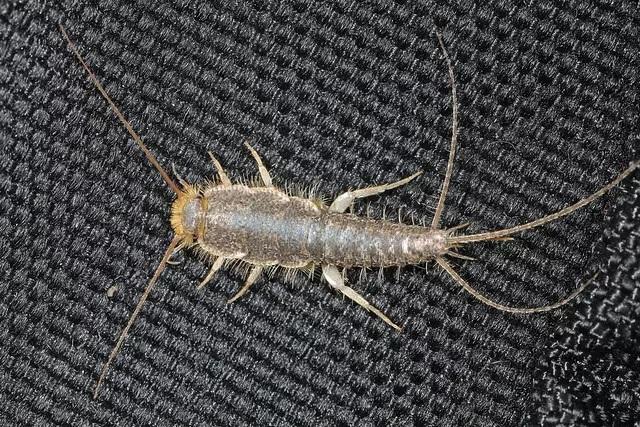
Silverfish control is important for maintaining a clean, dry, and damage-free environment in homes, offices, libraries, and storage areas. Silverfish are small, wingless insects that thrive in dark and humid places. They feed on starchy materials such as paper, books, cardboard, glue, wallpaper, fabrics, and stored food, which makes them particularly destructive despite their harmless appearance.
The first step in effective silverfish control is moisture reduction. Since silverfish prefer damp conditions, improving ventilation in bathrooms, kitchens, basements, and cupboards is essential. Using exhaust fans or dehumidifiers and fixing leaking pipes or taps helps lower humidity levels and makes the environment less suitable for silverfish survival. Keeping indoor spaces dry significantly limits their breeding.
Cleanliness also plays a major role in silverfish control. Regular vacuuming of floors, shelves, cracks, and corners removes food sources, eggs, and hiding places. Paper clutter, old books, and cardboard boxes should be reduced or stored in sealed plastic containers. Food items such as flour, cereals, sugar, and pet food must be kept in airtight containers to avoid attracting silverfish.
Sealing entry points and cracks is another key preventive measure. Small gaps in walls, around doors and windows, behind skirting boards, and near plumbing lines should be sealed with caulk. This restricts access and reduces hiding and nesting areas for silverfish.
For existing infestations, targeted treatments are necessary. Silverfish traps, insecticidal sprays, and dust formulations can be applied in infested areas, especially in cracks and crevices. These methods help reduce populations effectively when used as directed.
In cases of severe or recurring infestations, professional silverfish control services are recommended. Pest control experts identify the source of the problem and apply safe, long-lasting treatments while providing guidance on preventive measures.
In conclusion, silverfish control requires a combination of moisture control, cleanliness, sealing of entry points, and proper treatment. With consistent efforts and professional assistance when needed, silverfish infestations can be effectively managed.